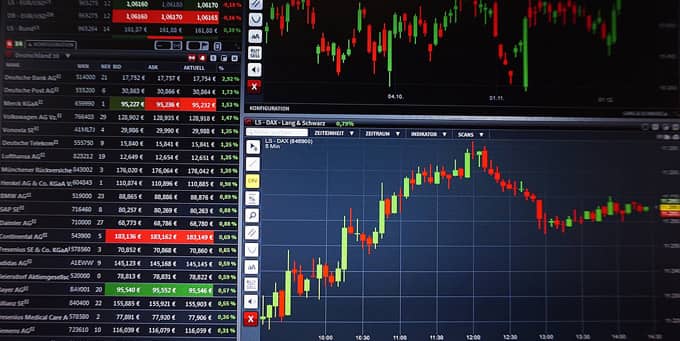
Contract for Difference (CFD) trading has gained significant popularity among investors looking to engage in financial markets without owning the underlying assets. Here’s everything you need to know about CFD trading to get started:
What is CFD Trading?
CFD trading involves speculating on the price movements of financial assets such as stocks, commodities, currencies, and indices. Unlike traditional investing where you buy and own the asset, CFDs allow you to profit from price changes without owning the asset itself. Instead, you enter into a contract with a broker to exchange the difference in the asset’s price from the time the contract is opened to when it is closed.
How Does CFD Trading Work?
When trading CFDs, you choose whether to buy (go long) or sell (go short) based on your prediction of how the asset’s price will move. If you expect the price to rise, you buy the CFD; if you expect it to fall, you sell. The profit or loss is determined by the difference between the opening and closing prices of the contract.
Key Advantages of CFD Trading
Leverage: CFDs allow you to trade on margin, meaning you only need to deposit a fraction of the total trade value to open a position. This leverage amplifies both potential profits and losses.
Diverse Market Access: CFDs offer access to a wide range of markets, including shares, commodities, cryptocurrencies, and indices, allowing for diversified trading strategies.
Short Selling: Unlike traditional markets, CFD trading allows you to profit from falling prices by selling assets you don’t own, then buying them back at a lower price.
Risks of CFD Trading
Leverage Risk: While leverage can amplify gains, it also increases the risk of significant losses, potentially exceeding your initial investment.
Market Risk: CFD prices mirror the underlying asset’s price, so market volatility can impact your positions.
Counterparty Risk: Since CFDs are traded over-the-counter (OTC), your broker is the counterparty to your trades, posing a risk if the broker defaults.
Conclusion
CFD trading offers flexibility and opportunities in various markets but comes with inherent risks due to leverage and market volatility. Understanding these dynamics and using risk management strategies are crucial for successful CFD trading.