In the dizzying world of CFD trading, managing risk is essential for both budding investors and seasoned traders. With the potential for substantial gains comes the accompanying possibility of significant losses. Understanding and mitigating these risks can make a difference between success and financial setbacks.
What is CFD Trading?
CFD trading allows investors to speculate on the price movements of various financial instruments like stocks, commodities, currencies, and indices without owning the underlying asset. It’s a popular method due to its flexibility, the ability to leverage, and the prospect of profiting from both rising and falling markets.
The Importance of Risk Management in CFD Trading
Risk management in CFD trading is crucial for safeguarding investments. By implementing effective strategies, traders can minimize potential losses while maximizing opportunities for gains. Proper risk management involves identifying, assessing, and prioritizing risks, followed by coordinated efforts to minimize or manage them.
Leverage and Margin
Leverage is a double-edged sword in CFD trading. It allows traders to control a large position with a relatively small initial investment. While it magnifies potential profits, it also increases the risk of significant losses. Understanding the leverage levels and maintaining adequate margin is vital in managing this risk.
Setting Stop-Loss Orders
A stop-loss order is a pre-set order that automatically closes a trade when the price reaches a specific level. This is an essential tool for risk management, as it helps limit potential losses. By setting stop-loss orders at an appropriate level, traders can protect their investments from unexpected market movements.
Diversification
Diversifying your portfolio is a fundamental risk management strategy. By spreading investments across different assets, sectors, or geographical regions, traders can reduce the impact of poor performance in any single area. Diversification helps in balancing and stabilizing the overall risk.
Keeping Up with Market Trends
Staying informed about market trends and news is crucial for making informed trading decisions. By understanding the factors that influence market movements, traders can anticipate potential risks and opportunities. Regularly reviewing market analyses, reports, and forecasts can provide valuable insights.
Utilizing Technical Analysis
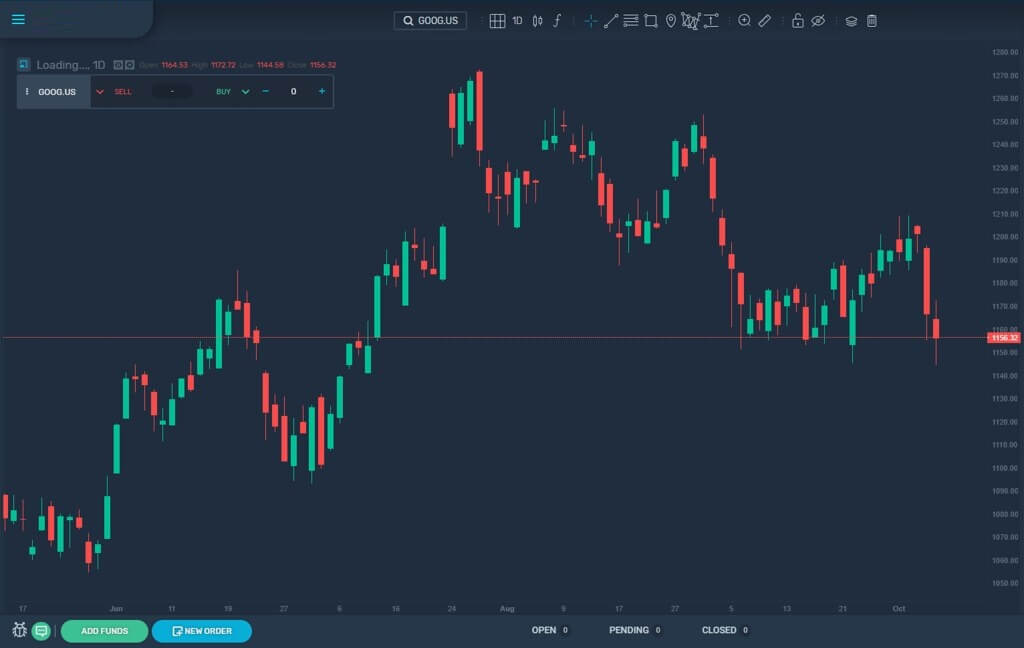
Technical analysis involves studying historical price movements, volume, and other market data to predict future price trends. By using charts, indicators, and patterns, traders can identify potential entry and exit points, helping to manage risk effectively.
Emotional Discipline
Maintaining emotional discipline is essential in CFD trading. The volatile nature of the markets can lead to impulsive decisions driven by fear or greed. Developing a trading plan and sticking to it, regardless of market emotions, can help in managing risks and achieving long-term success.
Continuous Learning and Adaptation
The financial markets are constantly evolving, and so should your trading strategies. Continuously learning and adapting to new market conditions, tools, and techniques can help in managing risks. Participating in webinars, reading industry publications, and seeking mentorship from experienced traders can be beneficial.
Monitoring and Reviewing Trades
Regularly monitoring and reviewing trades is essential for effective risk management. By analyzing past trades, traders can identify what strategies worked and what didn’t, helping to refine and improve future trading decisions.
Conclusion
Managing risk in CFD trading is a continuous process that requires a combination of knowledge, discipline, and strategic planning. By understanding the complexities of leverage, setting stop-loss orders, diversifying your portfolio, and staying informed about market trends, you can navigate the waves of CFD trading with confidence. Remember, the key to successful trading lies not just in making profits but in protecting your investments from potential risks. Happy trading!