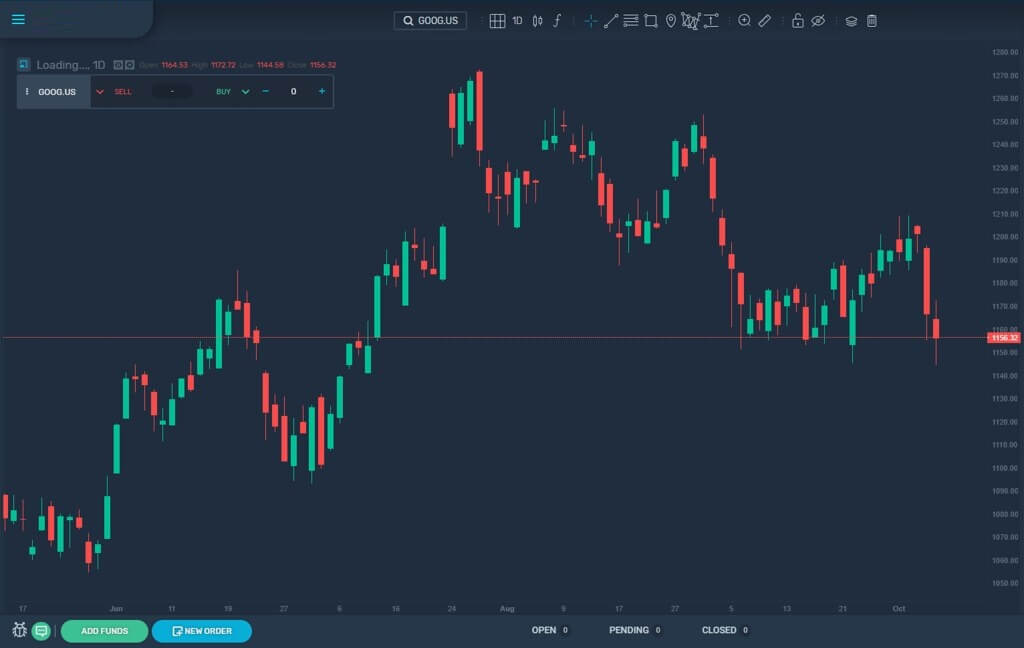
In the world of CFD trading, where the slightest market fluctuation can lead to significant profit or loss, the ability to predict market trends is invaluable. That’s where technical analysis comes into play, offering traders a way to analyze market data and make educated decisions. This comprehensive guide aims to demystify technical analysis for CFD traders, providing you with the tools you need to enhance your trading strategy.
Understanding Technical Analysis
At its core, technical analysis involves studying past market data, primarily price and volume, to forecast future price movements. Unlike fundamental analysis, which looks at external events and economic indicators, technical analysis focuses on the belief that historical trading activity and price changes are indicators of future performance.
The Foundation of Technical Analysis
Technical analysis is built on three fundamental principles:
1. Market action discounts everything: This principle asserts that all current market prices reflect all known information. Therefore, studying price action is all you need to forecast future market movements.
2. Prices move in trends: Technical analysts believe that prices move in identifiable patterns and trends that are likely to continue until something happens to disrupt them.
3. History tends to repeat itself: Market psychology is predictable, so patterns that occurred in the past are likely to occur again.
Essential Tools for CFD Traders
• Charts: The most crucial tool for a technical analyst. Charts visually represent price movements over time, allowing traders to spot trends and patterns.
• Indicators: There are various types of indicators, including momentum indicators (like RSI and MACD) and trend indicators (like moving averages and Bollinger Bands), each providing different insights into market conditions.
• Patterns: Recognizing patterns such as head and shoulders, flags, and triangles can help predict future market movements.
Implementing Technical Analysis in Your Trading Strategy
Start by choosing a few indicators and patterns that resonate with you and learn how to use them effectively. Practice on historical data and consider paper trading before applying these tools in live trading sessions. Remember, no indicator is foolproof. Use technical analysis as part of a comprehensive trading plan that includes risk management strategies to protect your capital.
Conclusion
Technical analysis is a powerful tool that, when used correctly, can significantly improve your CFD trading outcomes. By understanding and applying the principles and tools outlined in this guide, you’re well on your way to becoming a more informed and strategic trader. Remember, the key to success in trading is continuous learning and adaptation.