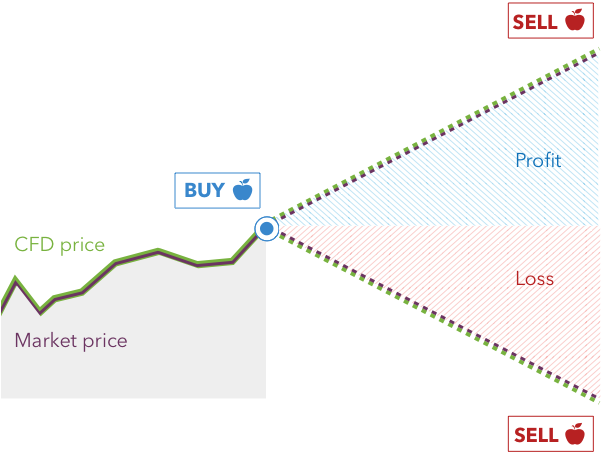
In the realm of financial trading, Contracts for Difference (CFDs) have emerged as a popular instrument for investors seeking diversified portfolios and flexible trading options. Unlike traditional trading methods, CFDs offer unique advantages that appeal to both seasoned traders and newcomers to the market.
At its core, a CFD is a derivative product that enables traders to speculate on the price movements of various financial instruments, such as stocks, commodities, indices, and currencies, without owning the underlying asset. This feature opens up a world of opportunities for traders to profit from both rising and falling markets.
One of the key benefits of CFD trading is its flexibility in leverage. While traditional trading often requires significant capital to enter the market, CFDs allow traders to access the market with a fraction of the capital through leveraged positions. This means that traders can potentially amplify their profits (or losses) by trading on margin, thereby maximizing their investment opportunities.
However, it’s essential for traders to understand the risks associated with leverage and to use it wisely. While flexible leverage can magnify profits, it can also lead to significant losses if the market moves against the trader’s position. Therefore, it’s crucial for traders to employ risk management strategies and to be aware of the potential impact of leverage on their trading portfolio.
Furthermore, CFD trading offers the advantage of versatility in trading strategies. Whether you’re a day trader looking to capitalize on short-term price movements or a long-term investor seeking to hedge your portfolio, CFDs provide the flexibility to execute various trading strategies according to your investment goals and risk tolerance.
In conclusion, CFDs represent a new frontier in trading, offering investors the opportunity to diversify their portfolios, access global markets, and trade with flexible leverage. By understanding the basics of CFD trading and employing prudent risk management strategies, investors can harness the potential of this dynamic financial instrument to achieve their investment objectives.